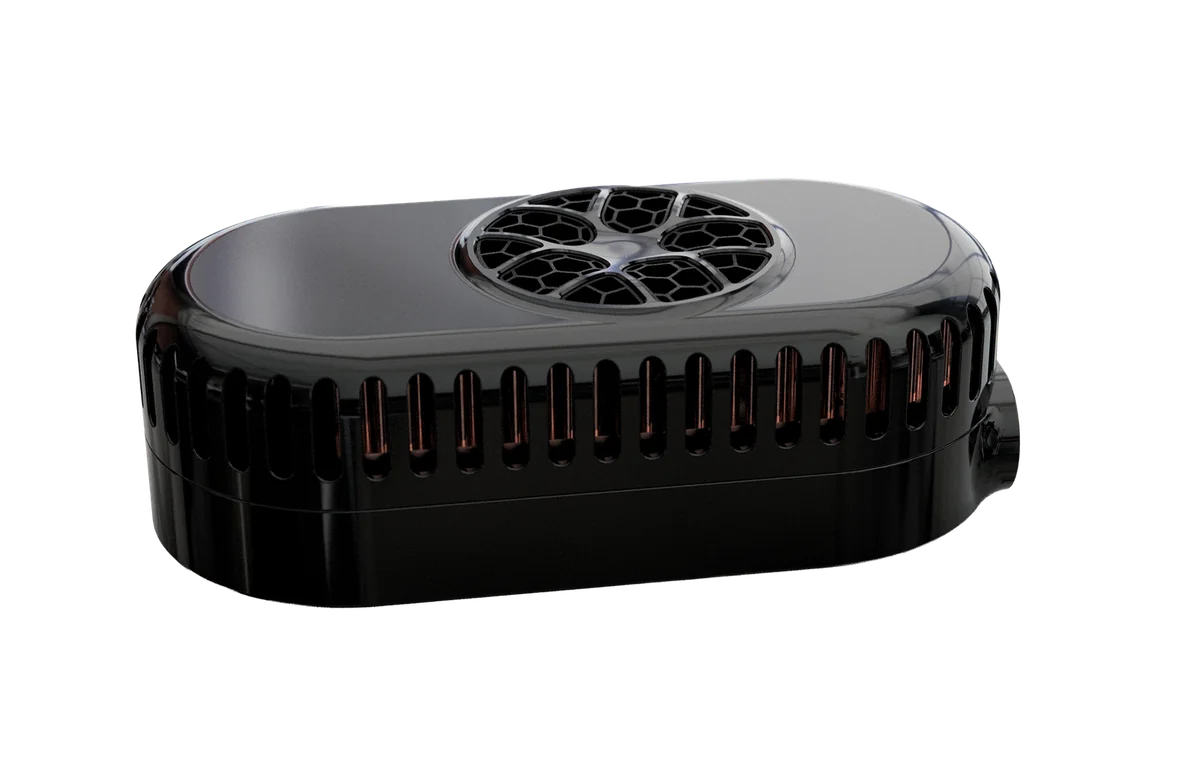
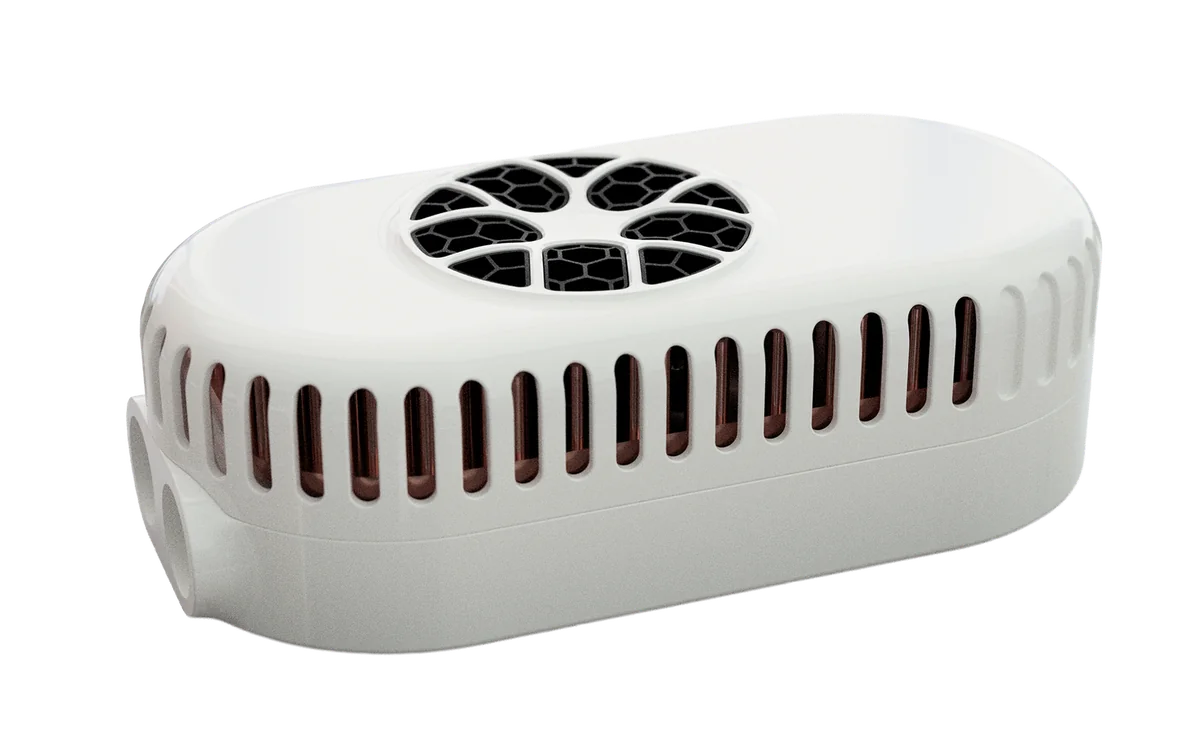
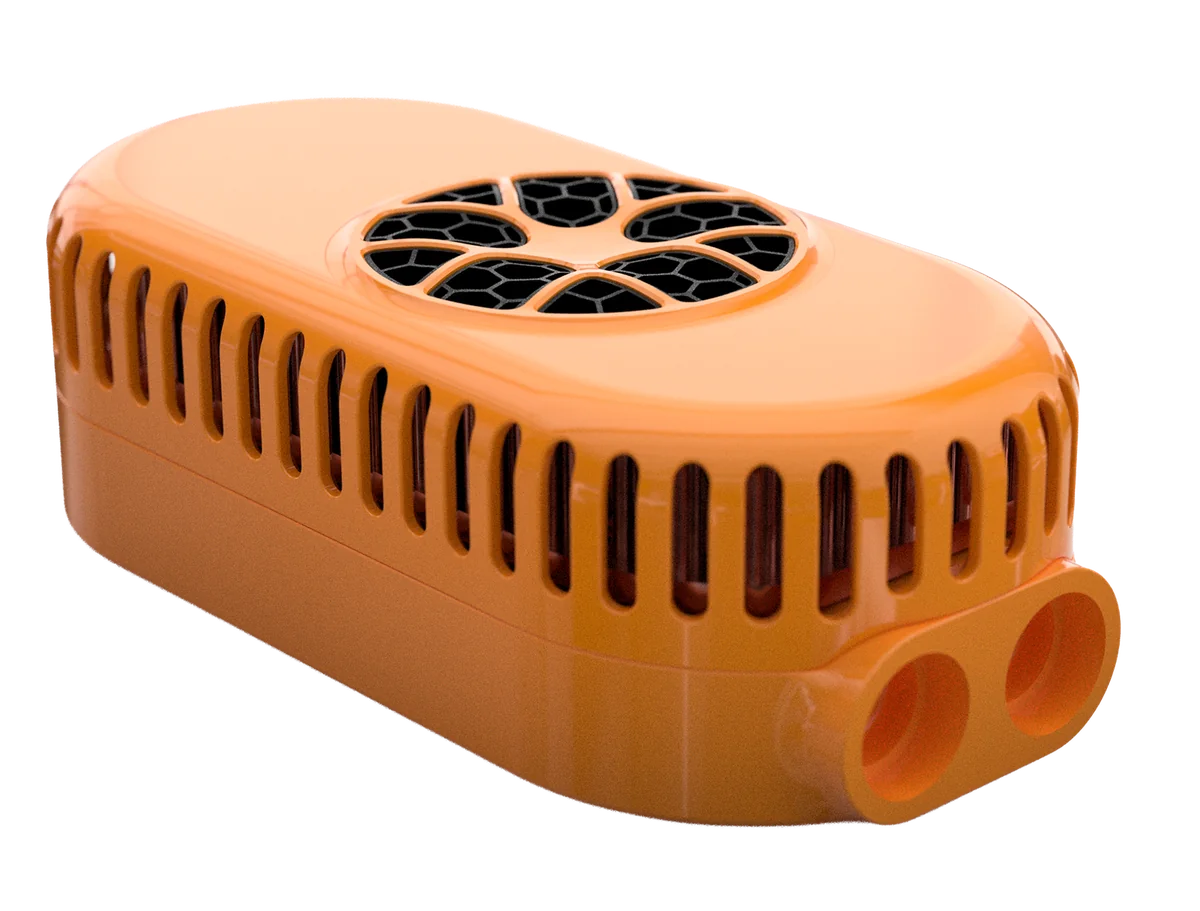
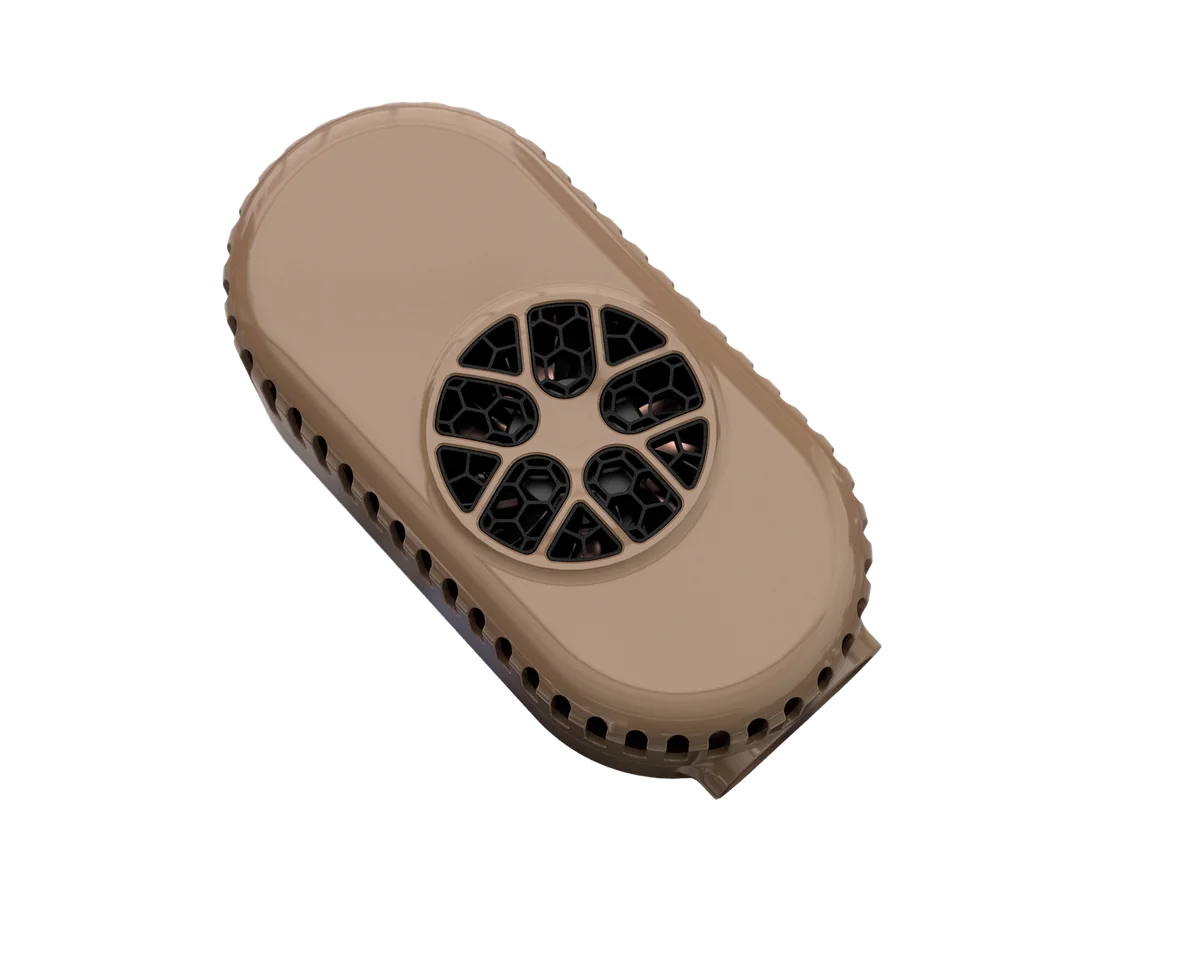
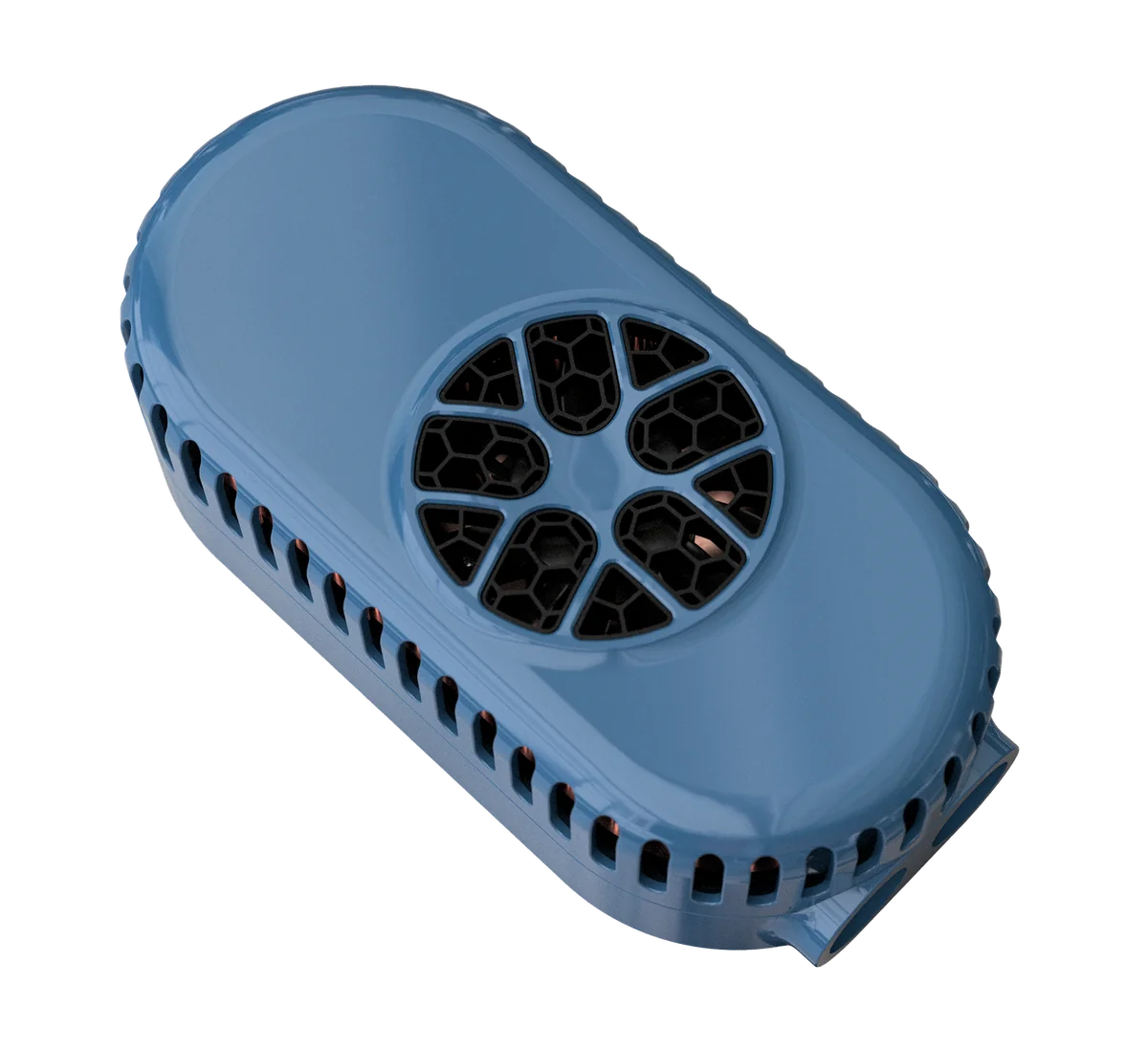
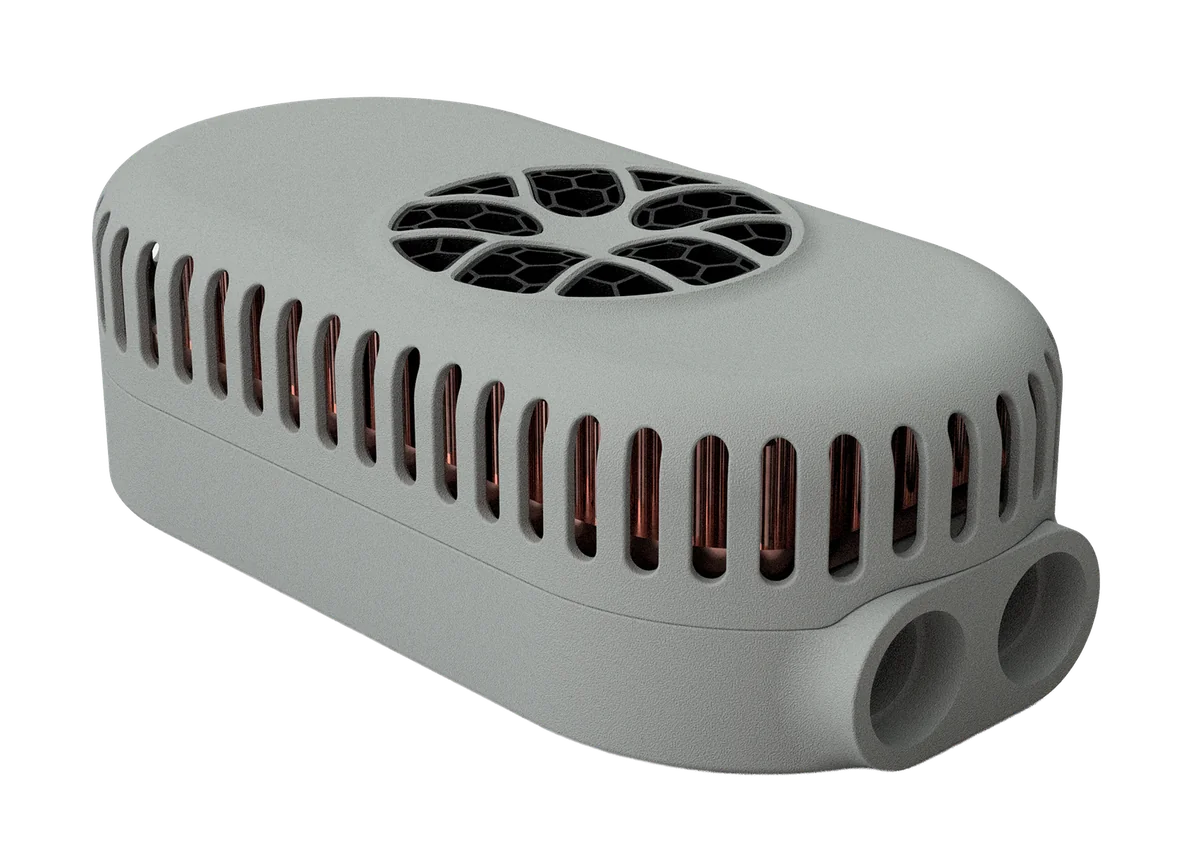
Every recommendation here is sized around the Palomino — a micro-sized thermal engine that delivers active cooling and heating from a single module, in the colorway you choose. Tell us your segment, work, environment, and protective equipment; get an indicative cooling demand and a tiered build out, from off-the-shelf to full custom.
Indicative only. Tiers are estimates from segment, activity, environment, and PPE; once live heat-removed data flows from the calorimeter, each scenario gets a measured watt target. Descriptive, not diagnostic.
How to read it
What the inputs mean.
The five occupational variables
The occupational view breaks the need into the work (metabolic load), the place (environment), the gear (PPE A–D), duration/mobility, and the form factor — cooling embedded in worn gear: vest, neck, limb brace/boot, or PPE liner.
PPE is an input, not a segment
Protective equipment runs from Level D (minimal) to Level A (full encapsulation) and cuts across Occupational, Tactical, and Medical. Encapsulation traps heat and blocks evaporative cooling, so it sharply raises the demand the device must offset.
Regulatory note. Consumer cooling-vest framing is non-FDA; claims are kept appropriate to this context.
Sources
Demand tiers are indicative estimates from segment, activity, environment, and PPE — not measured values. Methodology and measurement claims (heat removed, cooling efficiency) come from the Heat Safety white paper, in preparation. Live calorimeter data turns each scenario into a measured watt target. Descriptive, not diagnostic.